Ali Shamkhani: Missile Program Is Non-Negotiable
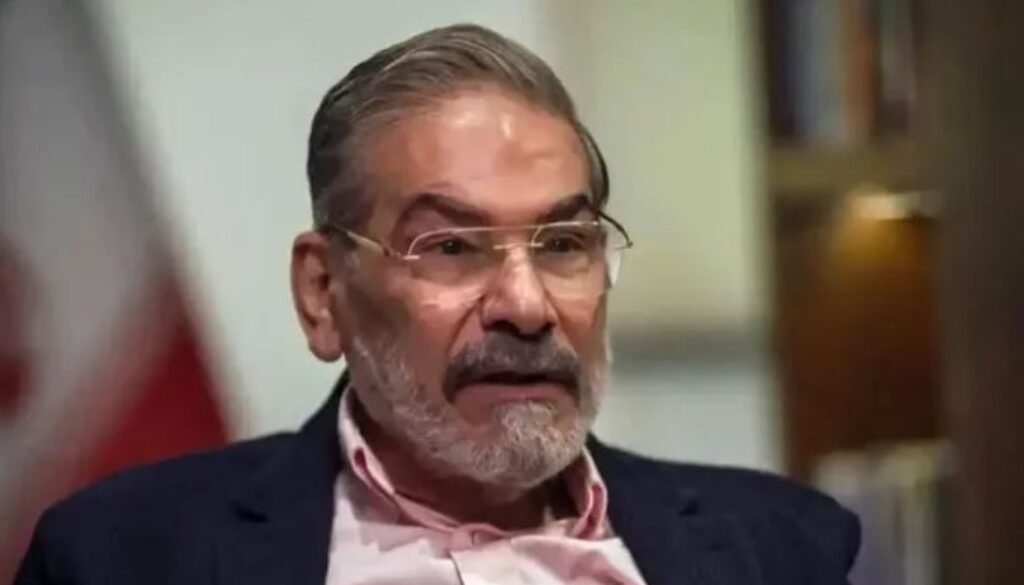
Ali Shamkhani, the Secretary of the Islamic Republic’s Defense Council, said in an interview with Al Jazeera that Iran’s missile program is a “red line” for Tehran and not open to negotiation.
Ali Shamkhani is a high-ranking political and military figure who serves as a top adviser to the Supreme Leader. The “Defense Council” (likely referring to the Supreme National Security Council in this context) is the highest body responsible for determining Iran’s defense and foreign policy. Tehran views its ballistic missile program as its primary conventional deterrent against regional rivals and Western powers, especially since its air force relies on aging equipment.
Speaking about regional tensions, Shamkhani said Israel would be unable to act against Iran without direct backing from Washington. He warned that any “adventurism” would be met with a “strong, decisive, and proportionate” response, adding that Iran’s military is on high readiness and that the cost of any “miscalculation” would be high.
In Iranian diplomatic language, the word “miscalculation” is often used as a warning that even a limited strike or small provocation could spiral into a wider regional war. By referring to Washington, Shamkhani is underscoring Tehran’s view that Israel and the United States act in close coordination in the Middle East.
In another part of the interview, the Secretary of the Defense Council and adviser to Ali Khamenei, the leader of the Islamic Republic, described avoiding actions that could affect regional stability as the “logical path” for all actors. He added that if negotiations are “realistic” and free of maximalist demands, there is a possibility for progress and for securing the interests of all parties.
Ali Khamenei is Iran’s Supreme Leader and holds ultimate authority over all state matters. Shamkhani’s reference to “maximalist demands” points to Western attempts to expand nuclear talks to include Iran’s regional role and missile program – issues Tehran insists must remain separate from the nuclear file.
Shamkhani also announced that Tehran’s diplomatic efforts in the region are being pursued with the aim of strengthening political options and reducing tensions. He noted that, given the increasing complexity of the regional security situation, the need for coordinating mechanisms is felt more than ever before.
This call for “coordinating mechanisms” typically reflects Iran’s push for a regional security framework that excludes non-regional powers, particularly the U.S. military. It is a core principle of Iranian foreign policy, which holds that Middle Eastern security should be managed by countries in the region.