The Role of Alliance with the Turkmen in Establishing Democracy in Iran
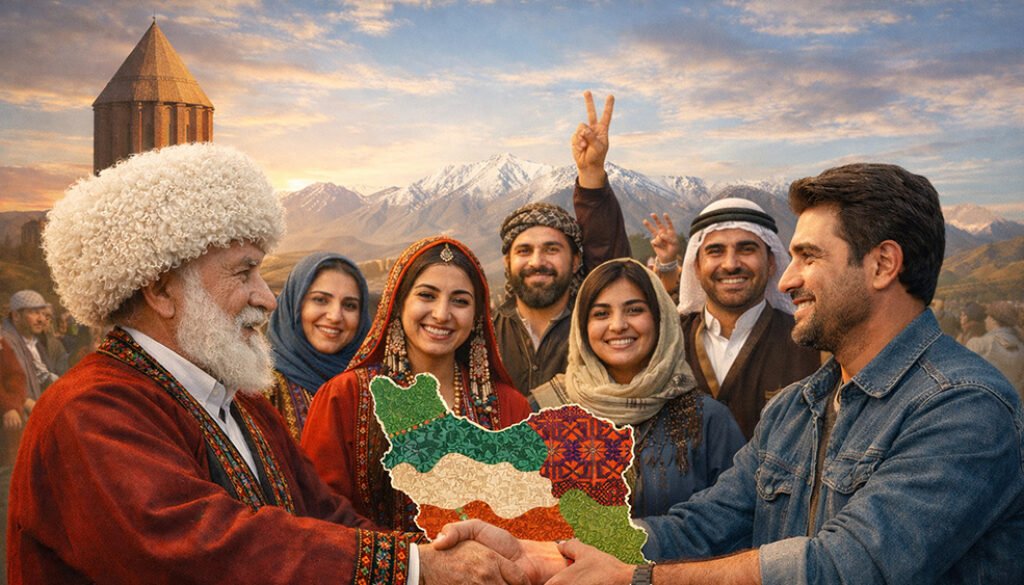
Establishing democracy in Iran is not possible without serious attention to the country’s multiethnic reality. Iran is a mosaic of diverse nations, each with its own distinct historical, linguistic, and cultural identity. In this context, alliance with the Turkmen nation can play an important and decisive role in shaping a democratic order—provided that this alliance is genuine, conscious, and based on equality, rather than merely instrumental or temporary.
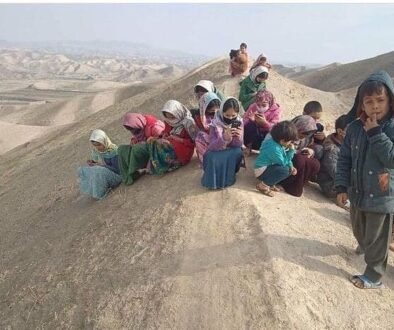
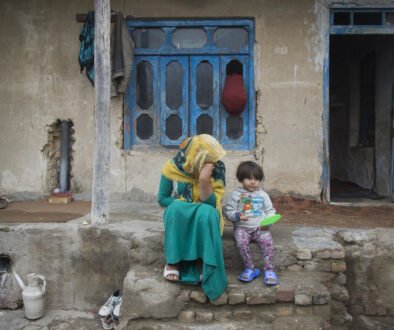
The Turkmen nation, like many other nations living in Iran, has a long experience of discrimination, political exclusion, and distrust toward the central authority. The suppression of demands after the 1979 revolution, the neglect of cultural and linguistic rights, and the structural underdevelopment of Turkmen-inhabited regions have all severely damaged trust in top-down “national” projects. Therefore, alliance with the Turkmen only has meaning if it is grounded in full recognition of their equal citizenship and collective rights.
Democracy is incompatible with exclusive, centralized, and monocultural nationalism. If alliance with the Turkmen nation means that everyone must dissolve into a dominant identity, such an alliance will neither be sustainable nor democratic. By contrast, if a future Iran is built on acceptance of differences, identity diversity, and genuine participation of all nations, Turkmen people can become active and effective actors in the process of democratization.
One of the serious obstacles in this path is the security-oriented approach toward the demands of non-Persian nations. For years, the government has suppressed the legitimate demands of the Turkmen nation by labeling them as “separatism.” If pro-democracy forces consciously or unconsciously reproduce the same perspective, any possibility of genuine alliance will disappear. Democracy requires dialogue, trust-building, and recognition of the right to self-determination within a shared framework.
Ultimately, it must be emphasized that alliance with the Turkmen nation will contribute to the establishment of democracy only if it is defined within a clear political project—a project aimed not merely at changing ruling figures, but at redefining the structure of power, drafting a new constitution, guaranteeing the rights of nations, and moving toward genuine decentralization. The presence of authentic and trusted representatives of the Turkmen nation in this process is also an essential condition for its success.
In conclusion, democracy in Iran will either be a multiethnic, participatory, and just project—or it will not be realized at all. Alliance with the Turkmen nation is not a peripheral issue, but part of the very heart of this project.