National Discrimination and Oppression against Iran’s Turkmen; Challenges and Consequences
The issue of national oppression and ethnic discrimination in Iran is an important social topic that is also raised in relation to the Turkmen. Despite their long historical presence, rich cultural identity, and centuries-old roots in Iran’s geography, the Turkmen of Iran have, at various times, faced different forms of structural, cultural, and economic discrimination. These forms of discrimination have not always been explicit or official; rather, they have often manifested as inequality in opportunities, disregard for cultural identity, and regional underdevelopment.
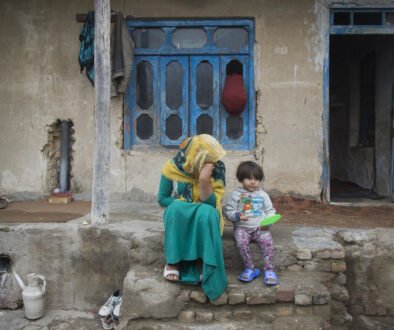
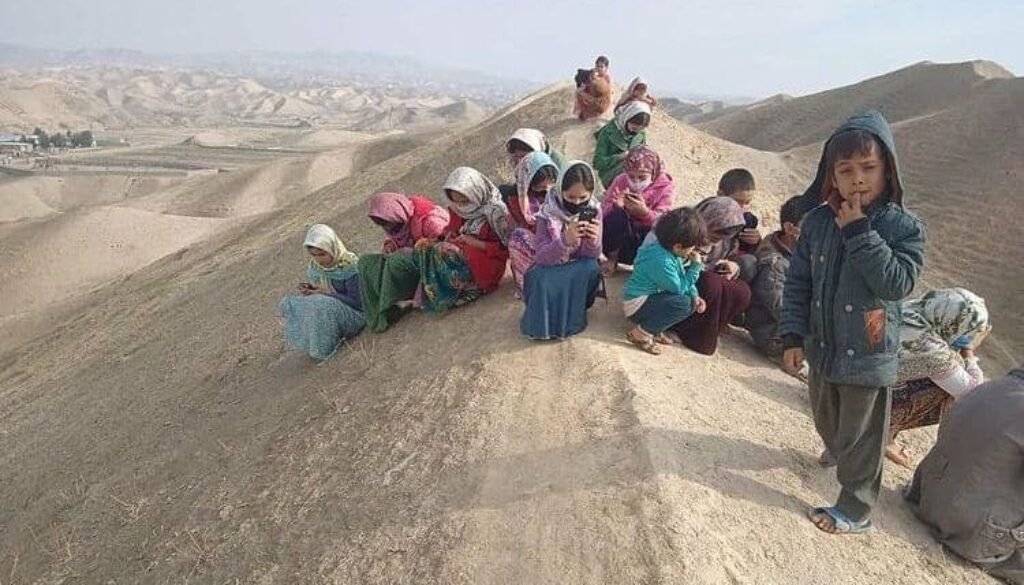
One of the most significant manifestations of national oppression toward the Turkmen is the concentration of underdevelopment in Turkmen-inhabited areas. Despite its strong agricultural, livestock, border, and transit capacities, Turkmen Sahra has for years been deprived of major investments, industrial infrastructure, and sustainable employment opportunities. Higher unemployment rates, youth migration, and weaker public services compared to many central regions of the country reflect inequality in resource distribution and macro-level planning.
In the cultural and linguistic sphere, the Turkmen have also faced limitations. The Turkmen language, as the mother tongue of a large segment of the Turkmen population, does not hold an appropriate official or educational position within the national education system. Mother-tongue education—which can play a crucial role in preserving cultural identity and improving learning quality—has effectively been neglected. Over time, this issue contributes to the weakening of indigenous language and culture and fosters a sense of marginalization among younger generations.
The religious dimension has also played a role in the experience of discrimination among the Turkmen. The majority of Iran’s Turkmen are Sunni Muslims and, at certain times, have faced limitations in access to managerial, political, and high-level decision-making positions. When religious inequality coincides with ethnic and regional discrimination, it creates a compounded sense of injustice and weakens social trust.
In the political and administrative arena, the limited presence of Turkmen elites in high-level decision-making positions is another manifestation of national oppression. Many decisions concerning Turkmen-inhabited regions are made without meaningful participation from local actors; as a result, policies often fail to align with the needs, culture, and social realities of the region. This situation leads Turkmen to feel not like equal participants, but rather like those marginalized within the power structure.
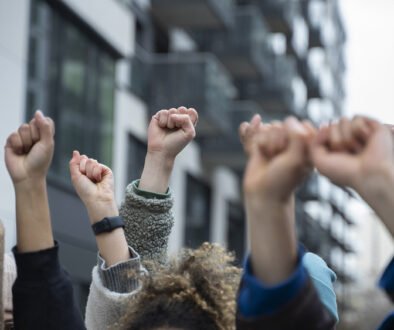
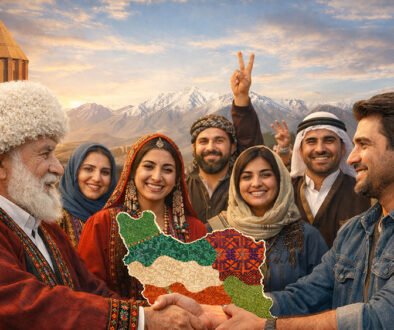
National oppression against the Turkmen—similar to that experienced by other ethnic groups in Iran—does not necessarily imply opposition to national identity. Rather, it expresses demands for equality, justice, and recognition of cultural diversity within the framework of Iran. Ignoring these demands not only fails to resolve the issue but may deepen social divides. Recognizing ethnic diversity, eliminating structural discrimination, pursuing balanced regional development, and respecting linguistic and cultural rights are among the steps that could reduce the sense of national oppression and strengthen social cohesion.
Ultimately, addressing discrimination against the Turkmen honestly is not a threat, but an opportunity for reform, dialogue, and building a more just society—one in which all ethnic groups, including the Turkmen, see themselves as equal stakeholders in this land.