Turkmen Dance: An Expression of Dignity, Identity, and Connection with Nature
Turkmen dance is one of the most authentic and meaningful expressions of Turkmen culture. Unlike some performative dances, it emphasizes dignity, coordination, and the internal expression of emotions. This dance reflects the Turkmen way of life, beliefs, and their deep relationship with nature, horses, labor, and society, and it is typically performed during joyful ceremonies, festivals, and ethnic gatherings.
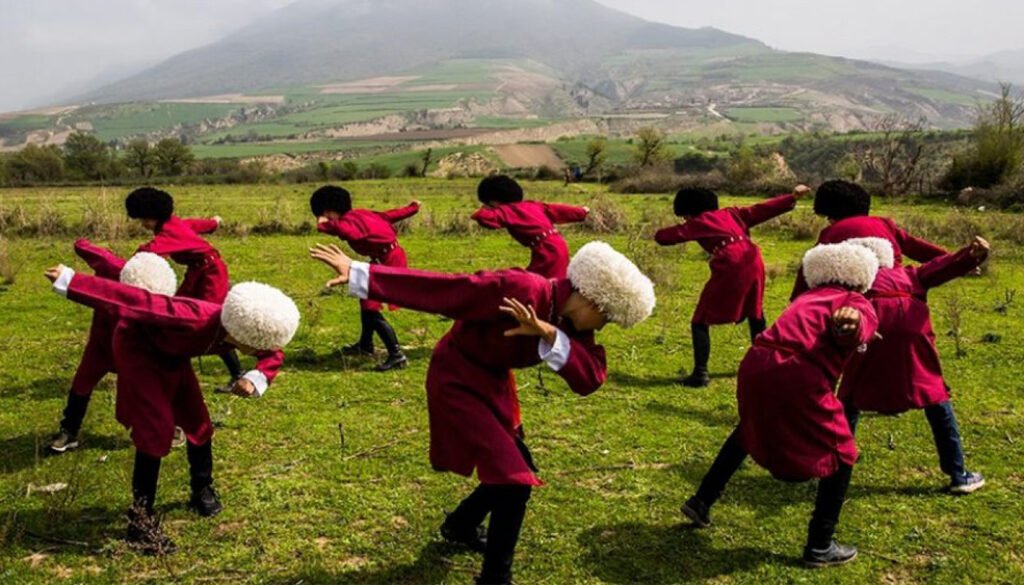
In Turkmen dance, movements are often slow, deliberate, and controlled. Rather than focusing on leaps or rapid motions, the emphasis is on the grace of the hands, body posture, and harmony with the music. The hands play a central role, conveying concepts such as invitation, respect, companionship, and connection through soft, symbolic gestures. Steps are usually short and orderly, while the body maintains a steady and composed posture, reflecting the Turkmen spirit of dignity and resilience.
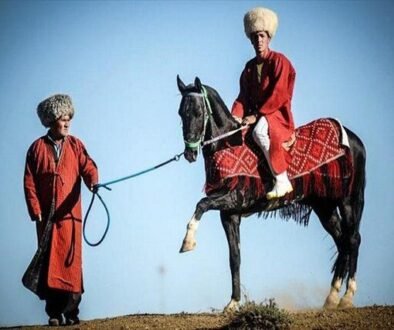
The roots of Turkmen dance can be traced to the traditional nomadic and equestrian lifestyle of the Turkmen. Many movements are inspired by nature, the wind across the plains, the motion of horses, and daily activities such as work and social cooperation. This connection with nature gives Turkmen dance a narrative quality, where each movement carries symbolic meaning.
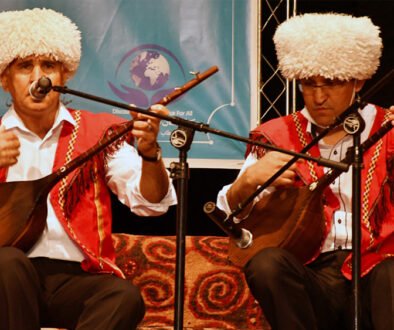
Turkmen dance is typically accompanied by traditional Turkmen music, and coordination between dancer and musician is highly important. The musical rhythm, often accompanied by the dutar and sometimes percussion instruments, guides the movements. In many performances, dancing is done individually or in groups without direct physical contact, reflecting the social structure and cultural values of the Turkmen.
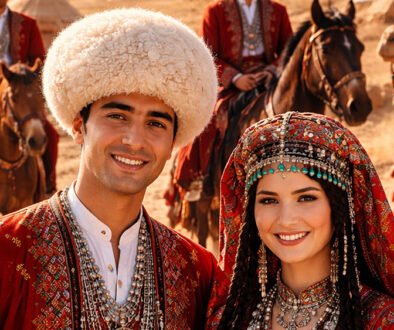
In Turkmen culture, dance is not merely entertainment; it is an integral part of social rituals and plays a significant role in fostering collective joy and cohesion. Male and female dances have distinct characteristics: women’s dances often feature more delicate hand movements and colorful traditional attire, while men’s dances are steadier, symbolizing strength, balance, and physical readiness.
Today, Turkmen dance continues to thrive in festivals, cultural ceremonies, and ritual programs, with efforts to document, teach, and introduce it to younger generations. Preserving this kinetic art, alongside traditional music and clothing, plays an important role in safeguarding Turkmen cultural identity. Turkmen dance is a silent yet expressive voice of a people who convey their emotions, history, and way of life through calm and meaningful movements.