The Shadow of Insecurity and Discrimination over Turkmen Sahra after the Revolution
After the victory of the Islamic Revolution in Iran in 1979, Turkmen-inhabited regions—especially Turkmen Sahra in the country’s northeast—faced extensive political and social changes, some of which were bitter and distressing for the Turkmen people. The Turkmen, who are mostly Sunni Muslims and reside in border areas, encountered security, economic, and cultural challenges in the post-revolution period, partly due to a lack of attention to the region’s specific conditions and the demands of the local community.
One of the most significant tragic events was the security clashes and violence that occurred in the early 1980s in Turkmen Sahra. These confrontations took place between military forces and groups of Turkmen who were demanding recognition of their cultural and social rights, resulting in the deaths and injuries of many local residents. Beyond creating fear and insecurity, these events deeply affected the collective psyche of the Turkmen and their trust in state institutions.
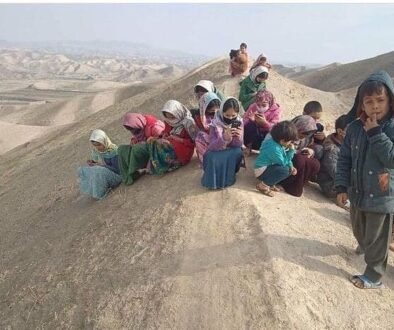
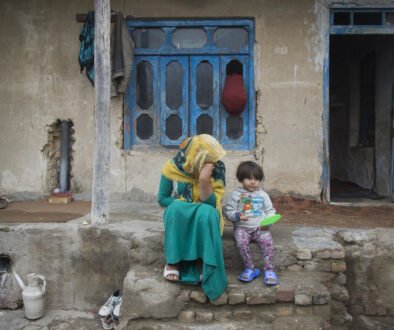
Economically, Turkmen Sahra lagged behind in development and faced a lack of investment, weak infrastructure, and inequality in resource distribution. Many young people from the region migrated to cities in search of work, and the Turkmen community struggled with unemployment and declining economic opportunities. This issue, combined with educational and cultural limitations, led many Turkmen to feel marginalized.
Culturally and religiously, the Turkmen also faced restrictions. Education in the mother tongue, preservation of traditional customs, and the holding of certain ethnic or religious ceremonies encountered difficulties. These limitations, alongside economic and security pressures, caused the Turkmen to experience parts of their identity and culture under the shadow of insecurity and discrimination.
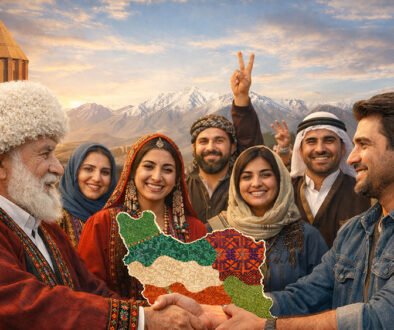
Over the years, these painful experiences have remained part of the Turkmen’s historical memory. At the same time, cultural resilience, preservation of language and traditions, and efforts toward social and economic development demonstrate the Turkmen community’s endurance and ability to overcome crises while maintaining its identity.
Overall, the period following the Islamic Revolution was a combination of challenges and discrimination for Turkmen Sahra—challenges stemming from insufficient attention to the specific conditions of border regions, religious and ethnic differences, and weaknesses in regional development. Recognizing and revisiting these events provides an opportunity to better understand the contemporary history of the Turkmen and highlights the necessity of social, cultural, and economic justice in Iran.