The Idea of Forming a Joint Army of Turkic Countries (Turan)
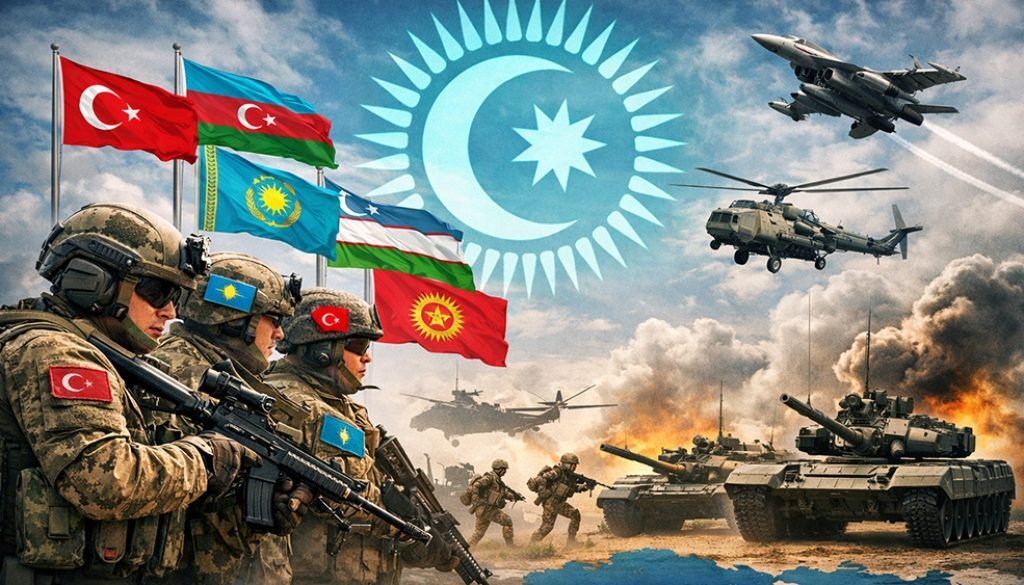
The idea of forming a joint army among Turkic-speaking countries—linked in political and cultural discourse to the concept of “Turan”—has regained attention in recent years. This idea is rooted in Pan-Turkism, an ideological movement that emphasizes cultural, linguistic, political, and, at more advanced stages, security and military integration among Turkic nations.
Countries Considered
The countries most commonly mentioned within this framework include:
-
Turkey
-
The Republic of Azerbaijan
-
Kazakhstan
-
Uzbekistan
-
Kyrgyzstan
-
Turkmenistan (with a more cautious stance)
At times, other Turkic-populated regions are also symbolically referenced in Turan-related discourse.
Background to the Emergence of the Idea
1. The successful experience of Turkey–Azerbaijan military cooperation
Azerbaijan’s victory in the 2020 Karabakh War, achieved with Turkey’s military and training support, strengthened the perception that military cooperation among Turkic-speaking countries can be effective and decisive.
2. The establishment of the Organization of Turkic States
The institutionalization of cooperation within the framework of the “Organization of Turkic States” (OTS) has provided the necessary political groundwork for proposing deeper forms of cooperation, including in the defense sphere.
3. Geopolitical developments in Eurasia
Power competition in Central Asia, the war in Ukraine, the relative weakening of Russia’s influence, and regional countries’ concerns about security instability have made the idea of regional defense self-reliance more appealing.
Possible Objectives of a Joint Army
-
Conducting joint military exercises
-
Coordination in training and military doctrine
-
Countering threats such as terrorism, extremism, and border insecurity
-
Enhancing regional deterrence
-
Strengthening a shared Turkic identity in the security domain
Obstacles and Challenges
Despite its theoretical appeal, the idea faces serious challenges:
-
Divergent national interests among member states
-
Strategic relationships of some countries with Russia and China
-
Turkmenistan’s policy of neutrality
-
Concerns about possible reactions from regional powers such as Russia, Iran, and China
-
The absence of a unified command and legal structure (unlike NATO)
Gradual forms of military cooperation—such as joint exercises, training exchanges, and defense coordination—are realistic and already expanding. The future of this idea will depend primarily on geopolitical developments in the region and the level of genuine integration among Turkic-speaking countries.