The Turkmen of Iran: Identity, History, and Contemporary Life
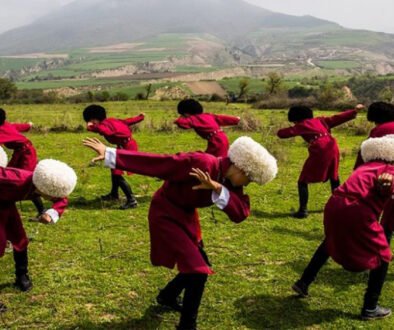
The Turkmen of Iran are one of the country’s ancient and well-rooted ethnic groups, whose presence in northern and northeastern Iran—especially in the Turkmen Sahra region—has played an important role in shaping the cultural and historical diversity of the country. This Turkic-speaking group, belonging to the Oghuz branch, has lived for centuries in parts of Golestan Province as well as areas of North Khorasan and Razavi Khorasan. Turkmen Sahra, with its vast plains, distinct culture, and historical background, is recognized as the heartland of Iran’s Turkmen population.
Historically, the Turkmen have largely followed a semi-nomadic lifestyle, with their lives closely tied to livestock breeding, horse husbandry, and seasonal migrations. During various historical periods—particularly under the Safavid and Qajar dynasties—the Turkmen played an important role in border and social developments. Gradually, with the expansion of sedentary settlements, the modern towns and villages of Turkmen-inhabited areas were established. This historical background has given the Turkmen an independent identity that is also intertwined with the broader history of Iran.
The Turkmen language, belonging to the Oghuz branch of Turkic languages, remains one of the most important elements of cultural identity for Iran’s Turkmen. It is widely used in daily life, poetry, music, and oral storytelling. Religiously, most Iranian Turkmen adhere to Sunni Islam with a Hanafi jurisprudence, and their religious practices, alongside ethnic traditions, constitute an important part of their social life.
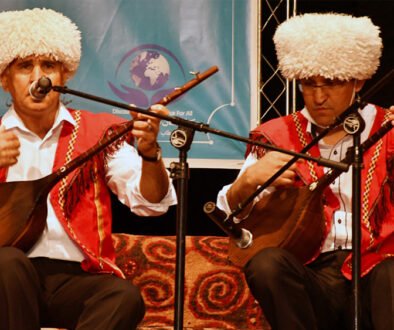
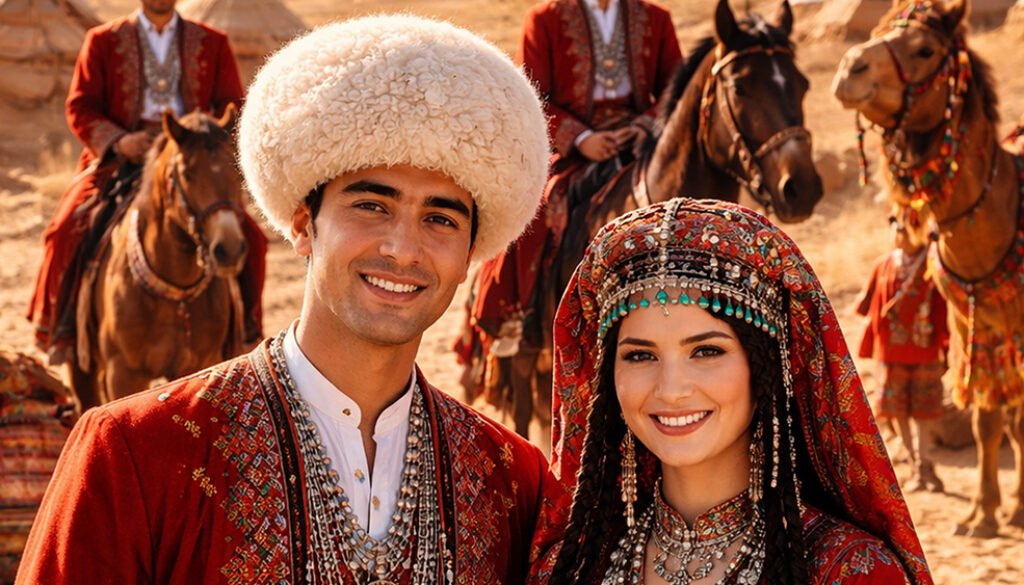
Turkmen culture is rich in artistic and ritual expressions. Traditional Turkmen music, with the melodies of the dutar, epic poetry, and ancient narratives, holds a special place among the people. Turkmen carpets and rugs, with symbolic patterns and colors, are not only a form of handicraft but also a reflection of the Turkmen’s history, beliefs, and way of life. Traditional Turkmen clothing, especially women’s attire, also showcases this cultural identity.
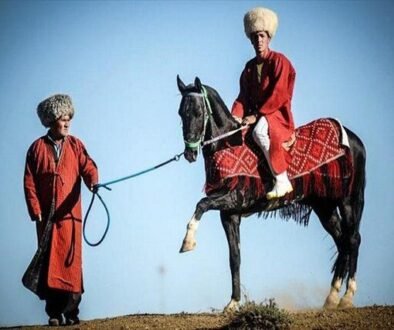
The Turkmen horse, particularly the Akhal-Teke breed, is a prominent symbol of Turkmen culture and life. Horse breeding and horse racing have long been practiced among the Turkmen and continue to be an important marker of ethnic identity. Alongside this, agriculture and livestock farming have historically formed the economic backbone of the Turkmen, while handicrafts such as carpet weaving and felt-making have played an important role in the local economy.
Today, the Turkmen of Iran maintain their traditions and mother tongue while actively participating in various social, cultural, and economic spheres. Many are engaged in education, commerce, sports, and cultural activities in cities, while striving to preserve their cultural heritage and ethnic identity. The Turkmen of Iran serve as a clear example of ethnic coexistence within the framework of Iranian national identity—a community with a rich culture, a storied history, and a forward-looking perspective, whose understanding is an inseparable part of understanding Iran itself.