Turkmen Music: One of the Most Authentic and Ancient Cultural Expressions
Turkmen music is one of the most authentic and oldest cultural expressions among the peoples of Iran and Central Asia, with deep roots in the history, daily life, and worldview of the Turkmen. This music is not merely a form of entertainment; it is a language for narrating history, conveying emotions, recording epic tales, and expressing the social and spiritual beliefs of the Turkmen. In Turkmen culture, music has always accompanied life—from birth and celebrations to mourning and heroic narratives.
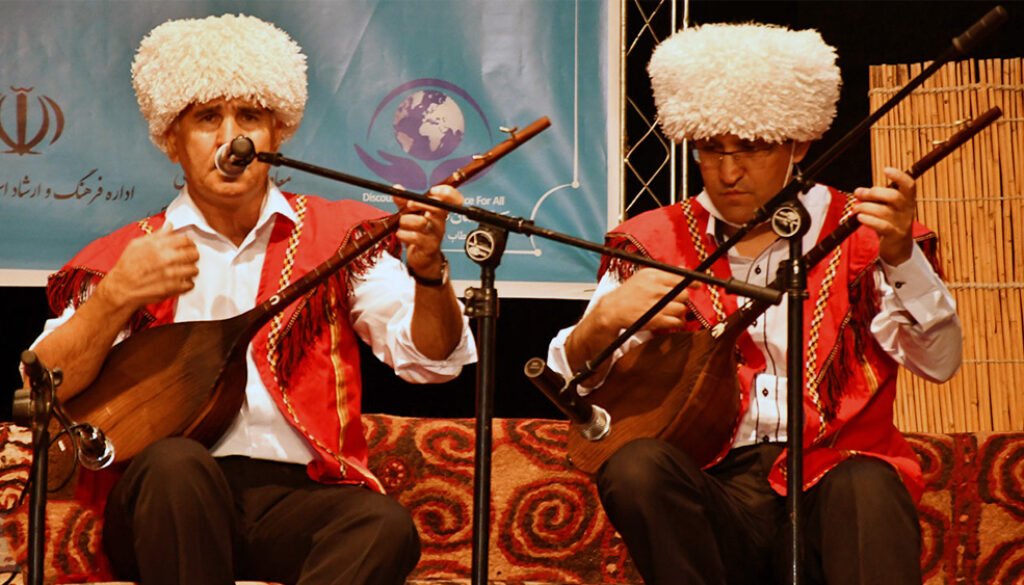
The most important instrument in Turkmen music is the dutar, a simple yet profoundly expressive instrument whose sound is inseparably linked to the spirit of life in the plains of Turkmen Sahra. The Turkmen dutar, with its two strings and elongated body, can convey a wide range of emotions—from joy and excitement to sorrow and epic grandeur. The musician and singer who performs with the dutar is called a baghshi—a figure who is not merely an artist but also a historian, poet, and narrator of tribal wisdom. Baghshis have passed down their musical knowledge and ancient stories from generation to generation.
Turkmen music is structured around specific modes and melodies, each with its own mood and purpose. Many of these melodies recount epic stories, such as heroic deeds, legendary love, and struggles against hardship. Stories like Qoroghli hold a special place in Turkmen music, connecting generations through song and dutar. Alongside epics, love songs, ritual music, and laments are also an essential part of the musical tradition.
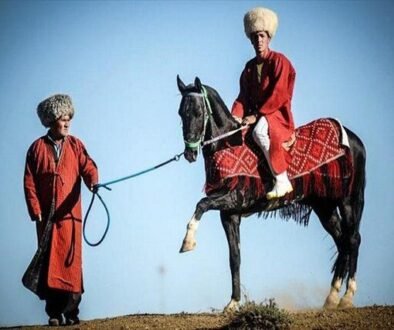
Rhythm in Turkmen music is often simple yet powerful, harmonizing with the natural movements of nomadic life and horseback riding. Sometimes the music takes a free and narrative form, while at other times it follows a specific beat for celebrations and communal rituals. Instruments such as the ghijak, Turkmen kamancheh, and daf (frame drum) are used alongside the dutar, though the dutar remains the central instrument of the tradition.
Turkmen music is deeply connected to spirituality and ethics. Many melodies carry moral lessons, humanistic messages, and respect for nature and humanity. For the Turkmen, music is not merely a profession but a cultural and social responsibility. Baghshis are generally held in high esteem within the community and play a crucial role in preserving cultural identity.
Today, despite social changes and the spread of modern media, Turkmen music remains vibrant and alive. Contemporary artists strive to introduce this music to new generations while remaining faithful to traditional structures, performing and recording it with new methods. Turkmen music continues to be the voice of the plains, horses, history, and collective spirit of a people who have kept their culture alive through song.